New In Chess Books
New In Chess is a prize-winning publisher of chess books. The book publishing program focuses on training manuals, opening theory, chess history and chess entertainment.
Bestselling authors are Victor Bologan, Jan Timman, Viktor Moskalenko, Jesus de la Villa, Charles Hertan, David Smerdon, Artur van de Oudeweetering, Joel Benjamin, Evgeny Sveshnikov and many others.
‘Game Changer .. is a phenomenal book.’
− International Master John Bartholomew, YouTube

New In Chess has published more than 200 chess books
Prize-winners and bestsellers:
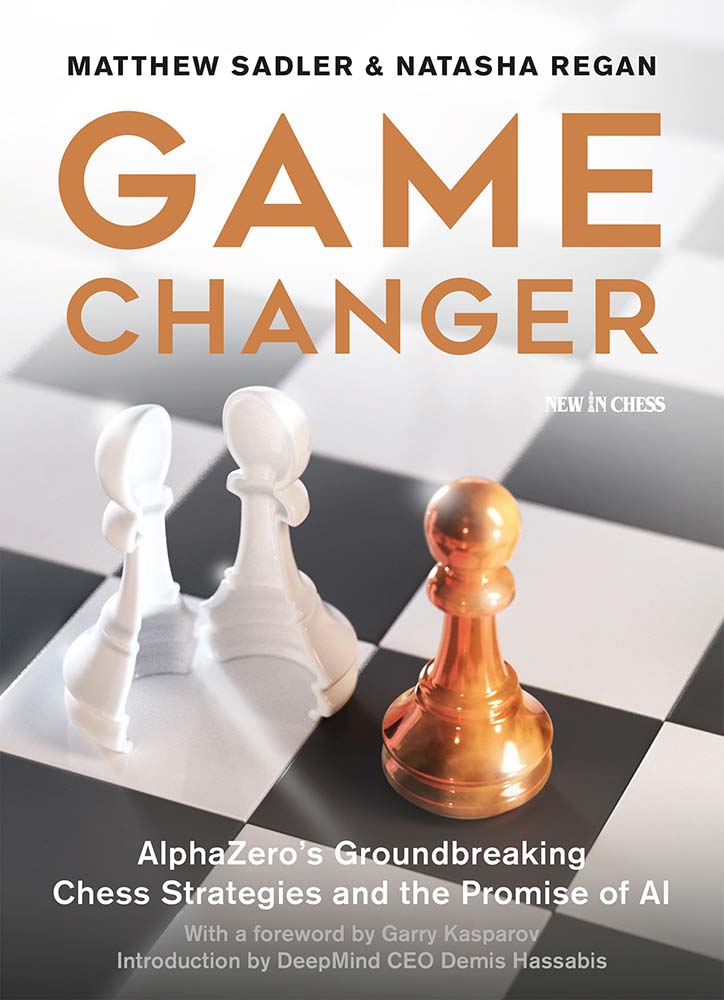
- Game Changer by Matthew Sadler and Natasha Regan about the chess engine AlphaZero won the English Chess Federation 2019 Book of the Year, the most prestigious chess book award in the world. it also won the Averbakh-Boleslavsky Award 2019, the book award of the FIDE, the International Chess Federation
- 100 Endgames You Must Know by Spanish GM Jesus de Villa is an international bestseller, helping thousands of chess players to finally understand the endgame
- The Complete Chess Swindler by David Smerdon was the Winner of the English Chess Federation 2020 Book of the Year Award
- Power Chess for Kids by Charles Hertan has been on the chess books best-sellers list in the last five year
- Chess Strategy for Club Players by Herman Grooten won the ChessCafe 2009 Book of the Year and was shortlisted for: The Guardian 2009 Chess Book of the Year
Timman’s Titans is the most informative, interesting and revealing book on the world champions covered, both as people and chess players.
Quite inspirational. I was thinking at several points during the game [in Round 11 of the 2019 Tata Steel Chess Tournament]: how would AlphaZero have approached this?
One of the most original chess books the judges have seen for a number of years (..) both serious and highly entertaining at the same time.
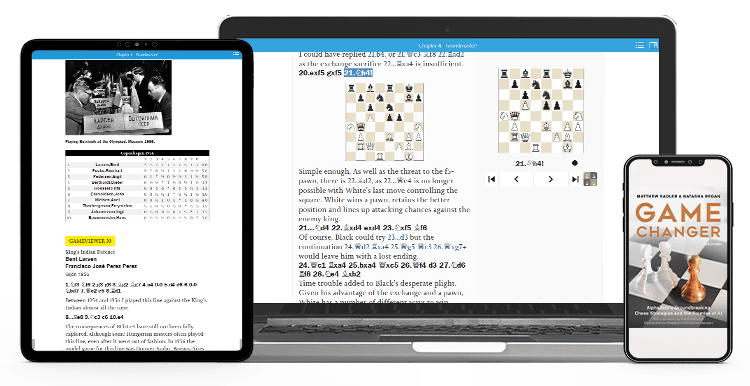
Read New In Chess Books on your favourite device
It’s easier than ever to enjoy New In Chess Books. You can read the books, tap on the chess games and replay all the annotated games on your device! The app is FREE and includes a free Preview of Bent Larsen's Best Games.
Download the app: